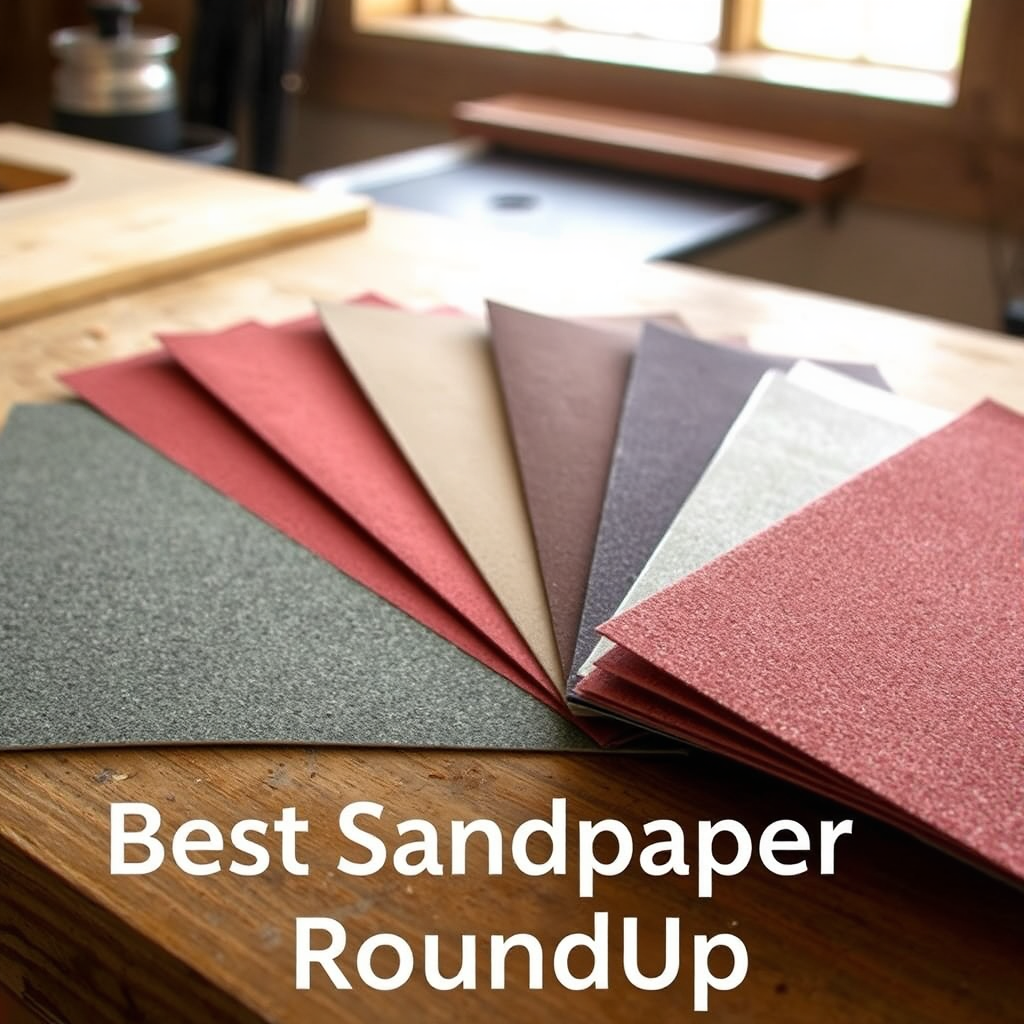
Best Sandpaper Roundup 2024
From coarse to ultra-fine grits—find the right sandpaper for every stage of finishing.
- Coarse to fine grit range
- Durability & tear resistance
- Our pick and how to use
A trusted, premium workshop guide for beginners and hobbyists. Clear buying guidance, hands-on how-tos, and affiliate-tested gear to help you create with confidence.
We respect your privacy. Unsubscribe anytime.
From coarse to ultra-fine grits—find the right sandpaper for every stage of finishing.
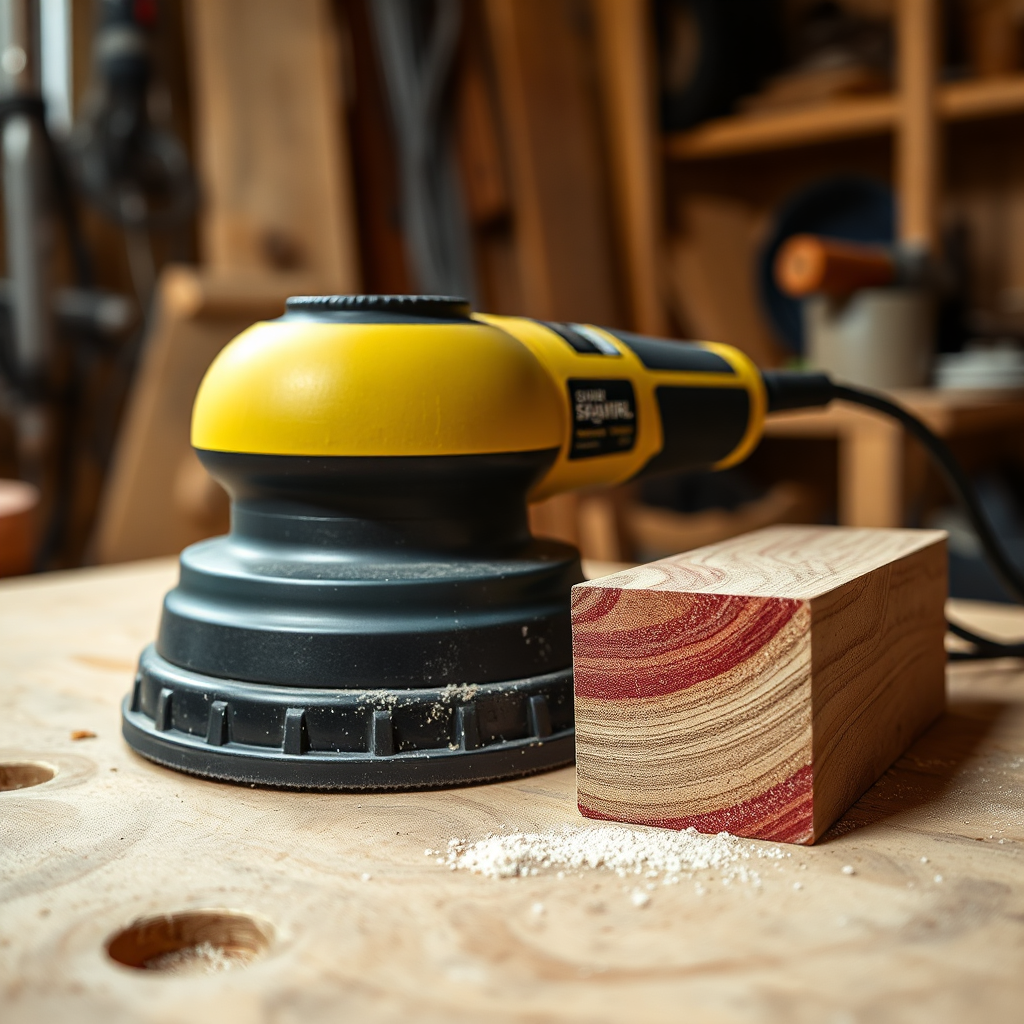
Two popular models tested for grip, dust collection, and finish quality.
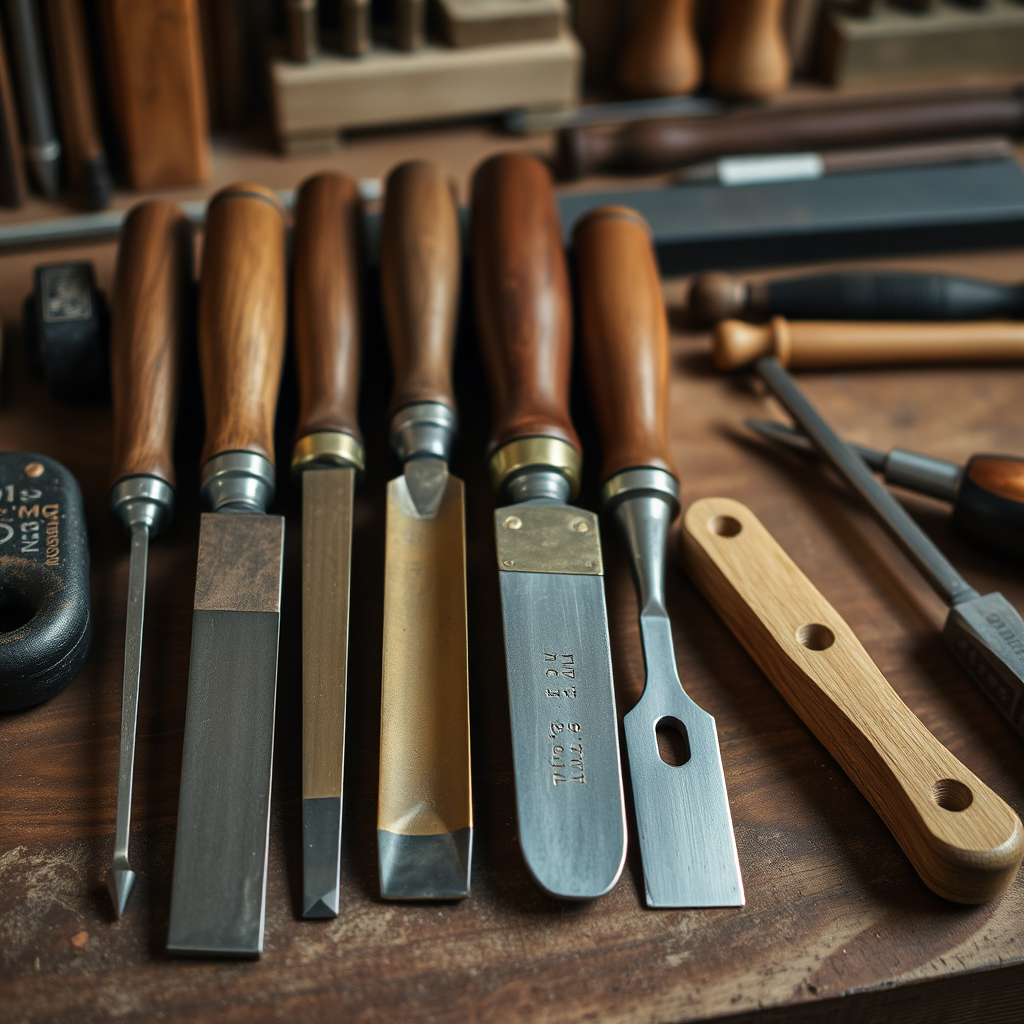
A curated set and sharpening routine that keeps edges precise and safe.

Woodworking educator, author, and tool reviewer with 12+ years in home shops. Featured in community crafts publications.
Our team reviews gear in real workshops, with transparent methodology and clear affiliate disclosures. Learn more about our process and how we select tools you can trust.
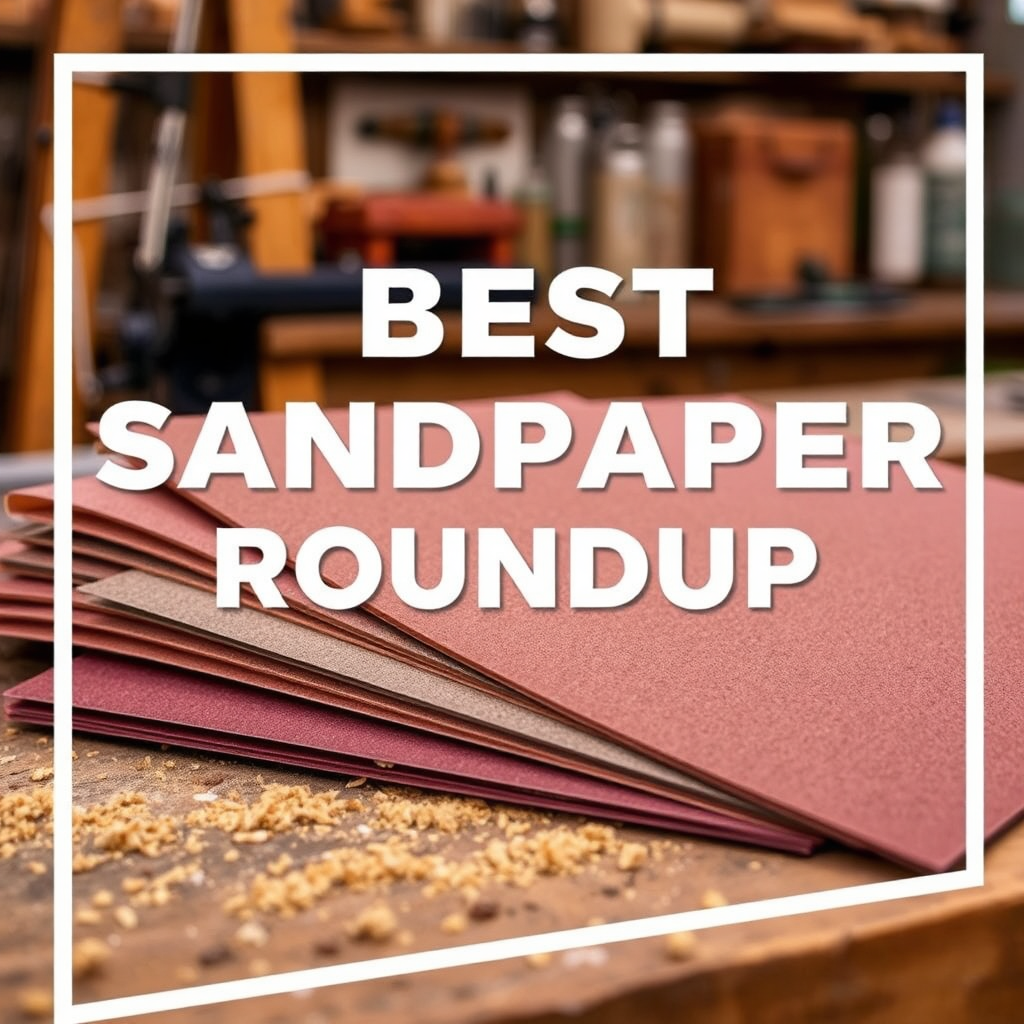
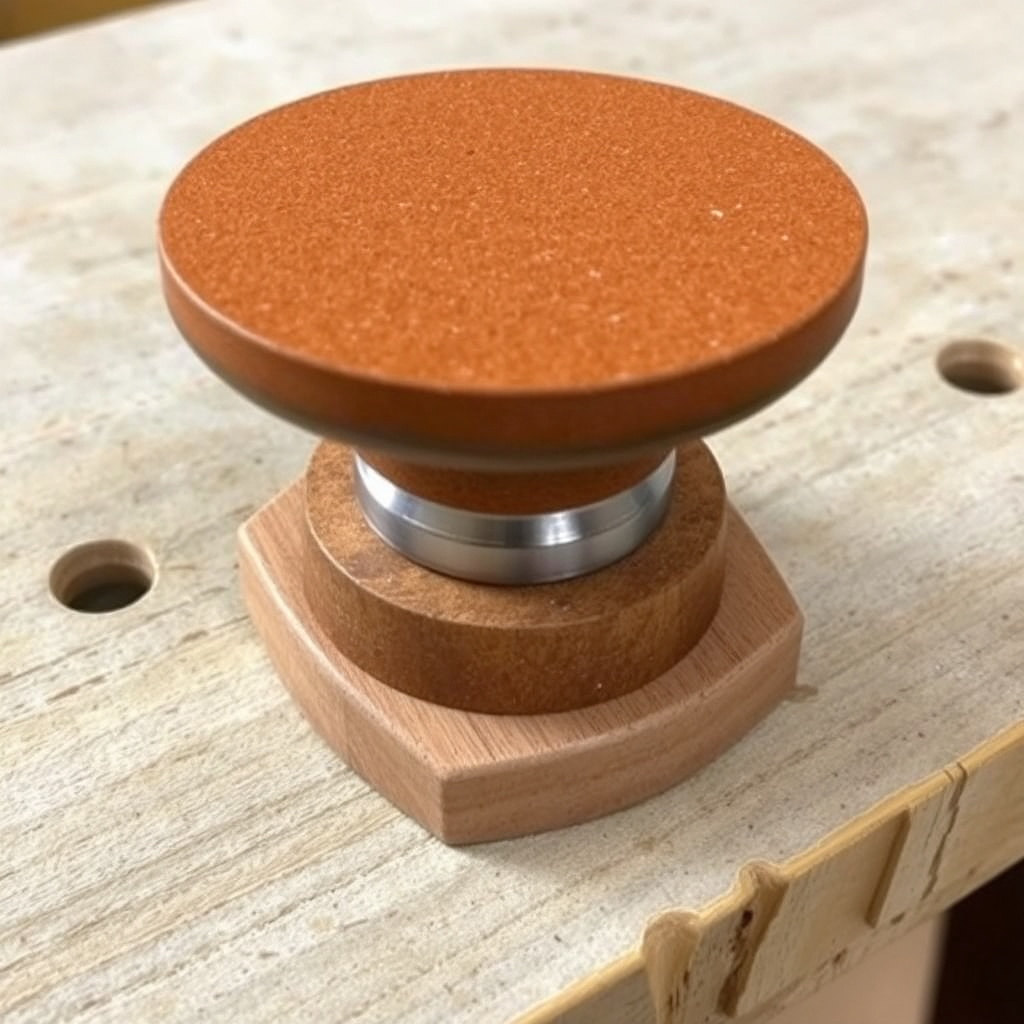
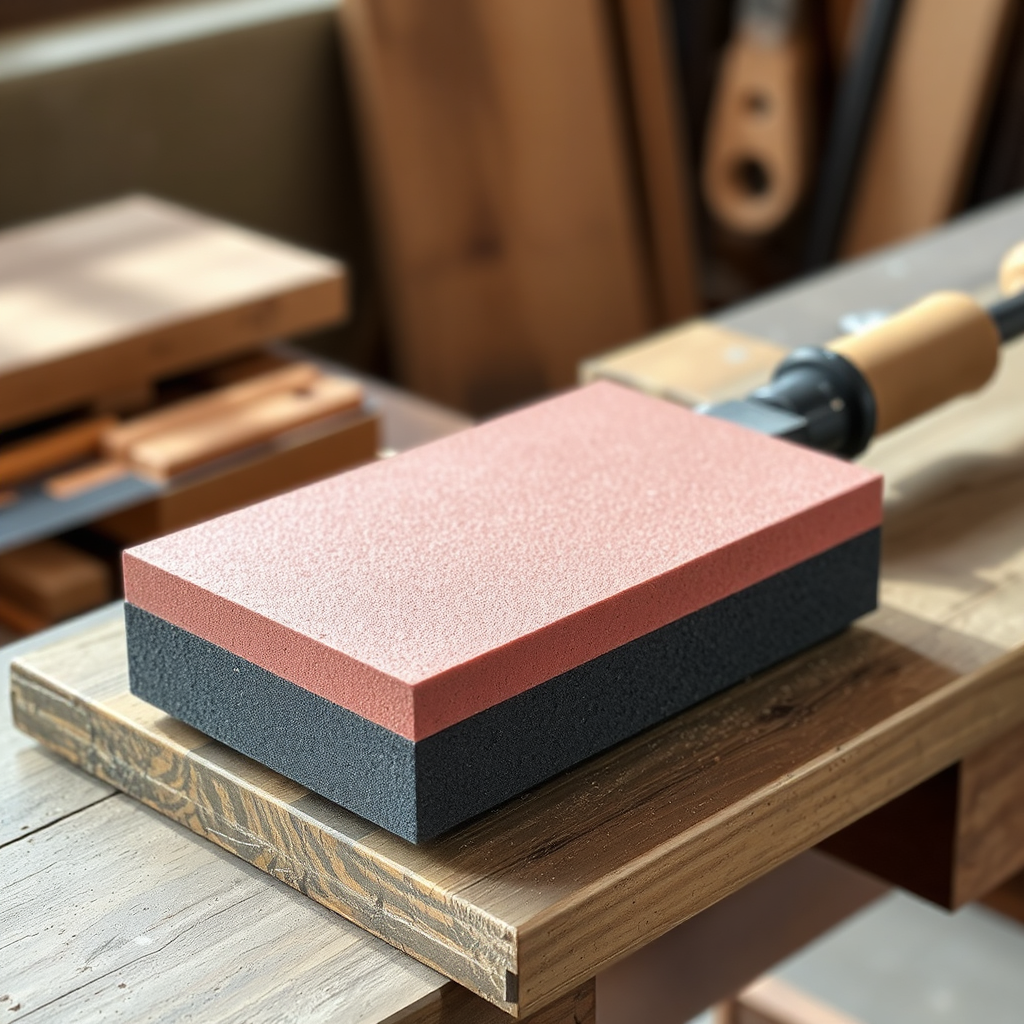
Sanding is where the finish begins. This roundup tests common abrasive types and grits to help you choose with confidence, whether you're prep-ing for stain or doing a final polish.
Top pick for most hobbyists: versatile grits, solid wear, and predictable finishes with consistent results.
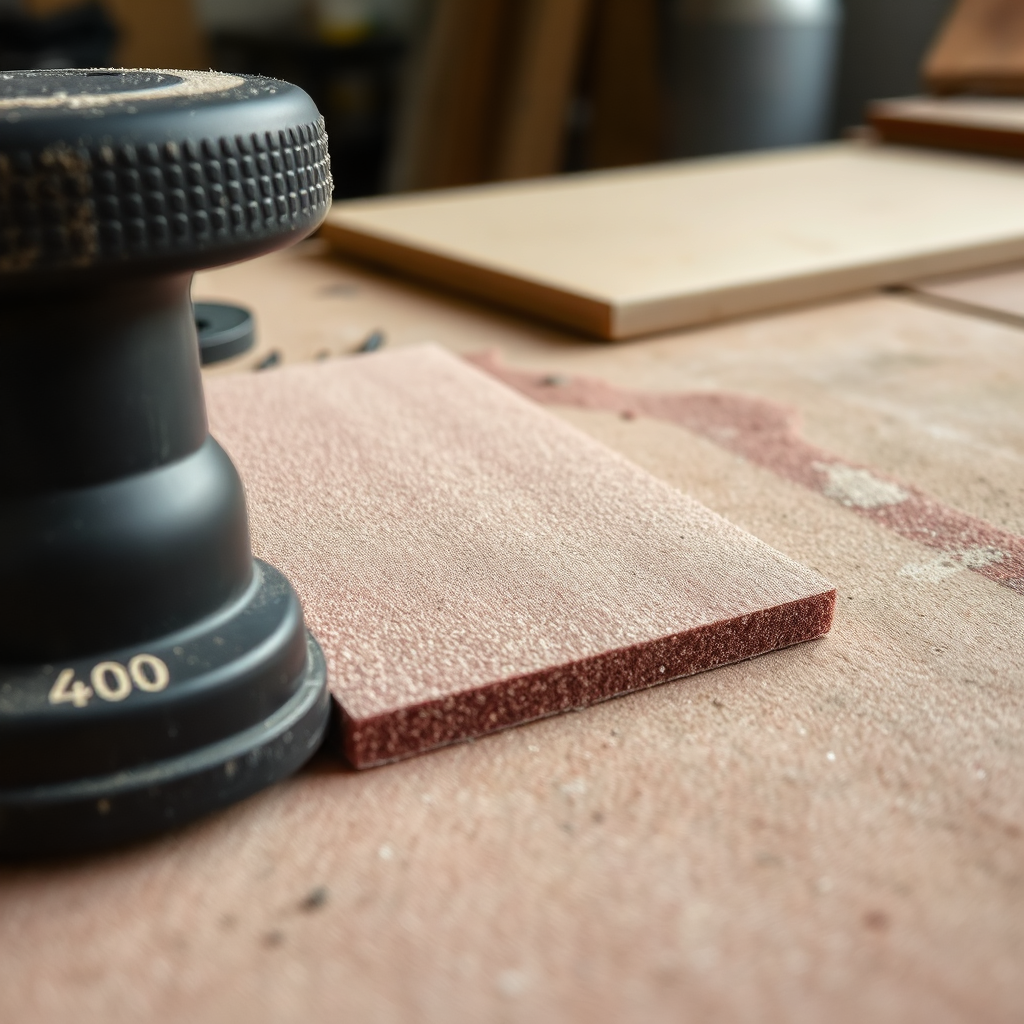
Fast material removal with smooth finish for painted surfaces.
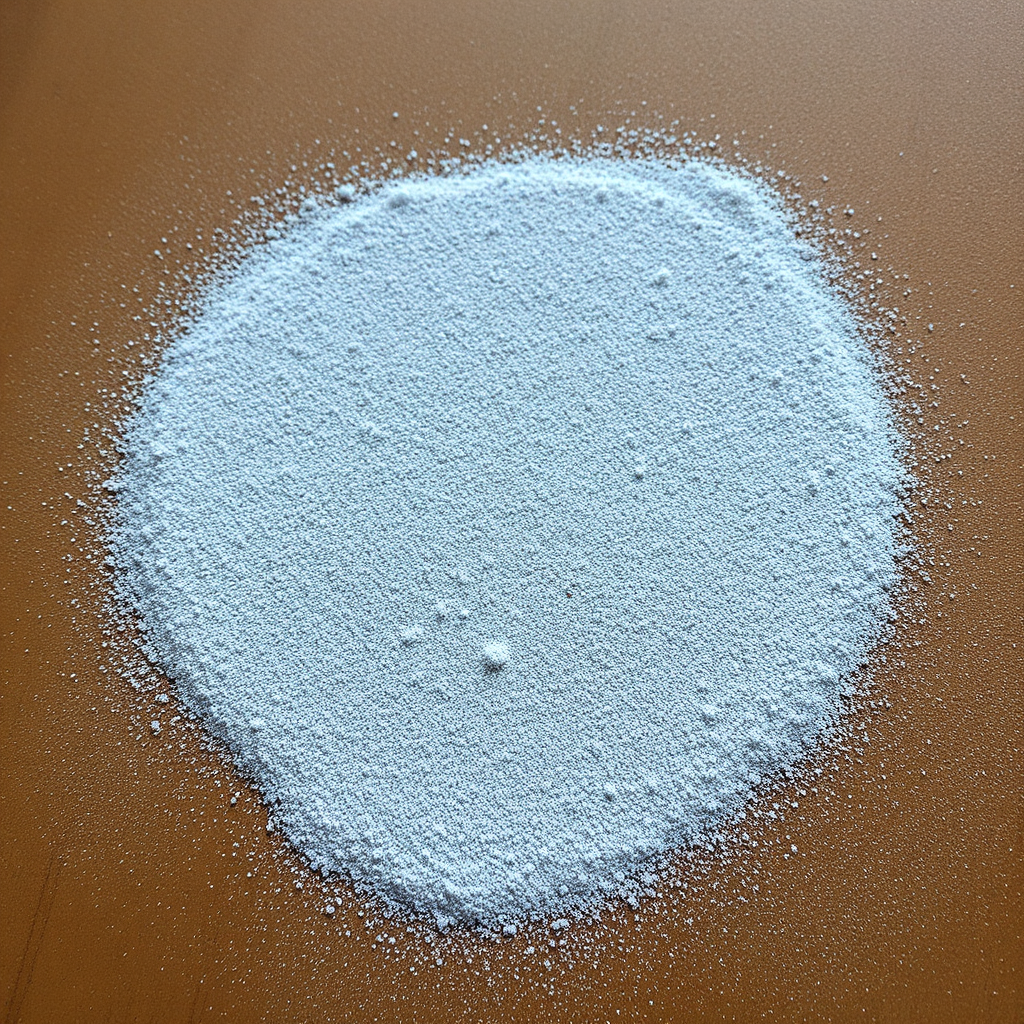
Perfect for final wet/dry sanding and smoothing tricky curves.
| Type | Grit Range | Durability | Best For | |
|---|---|---|---|---|
| Silicon Carbide | 60–320 | Medium | Rough stock removal | Good value |
| Aluminum Oxide | 120–400 | High | Finish prep and sanding | Popular |
| Ceramic | 800–1200 | Very High | Final finishes | Premium |
Affiliate disclosure: Some links in this article may earn us a commission at no extra cost to you. This supports ongoing, independent testing and reviews.
Touch up the edge with your fine stone any time you feel resistance or see the edge catching instead of slicing cleanly, usually every few hours of active use. A full coarse-to-fine sharpening session is only needed when the edge is chipped or rolled.
Start at 1000 grit if the edge just needs general sharpening. Drop to a coarser stone, around 400 grit, only if the edge is chipped or badly rolled and needs material removed before you can reshape the bevel.
A honing guide isn't required, but it makes a consistent bevel angle far easier for beginners. Most experienced woodworkers who sharpen freehand built that skill after years of guided practice first.
Yes. Plane irons and chisels both use a bevel edge and respond to the same grit progression. The honing guide just needs to be wide enough to clamp the blade you're working with.
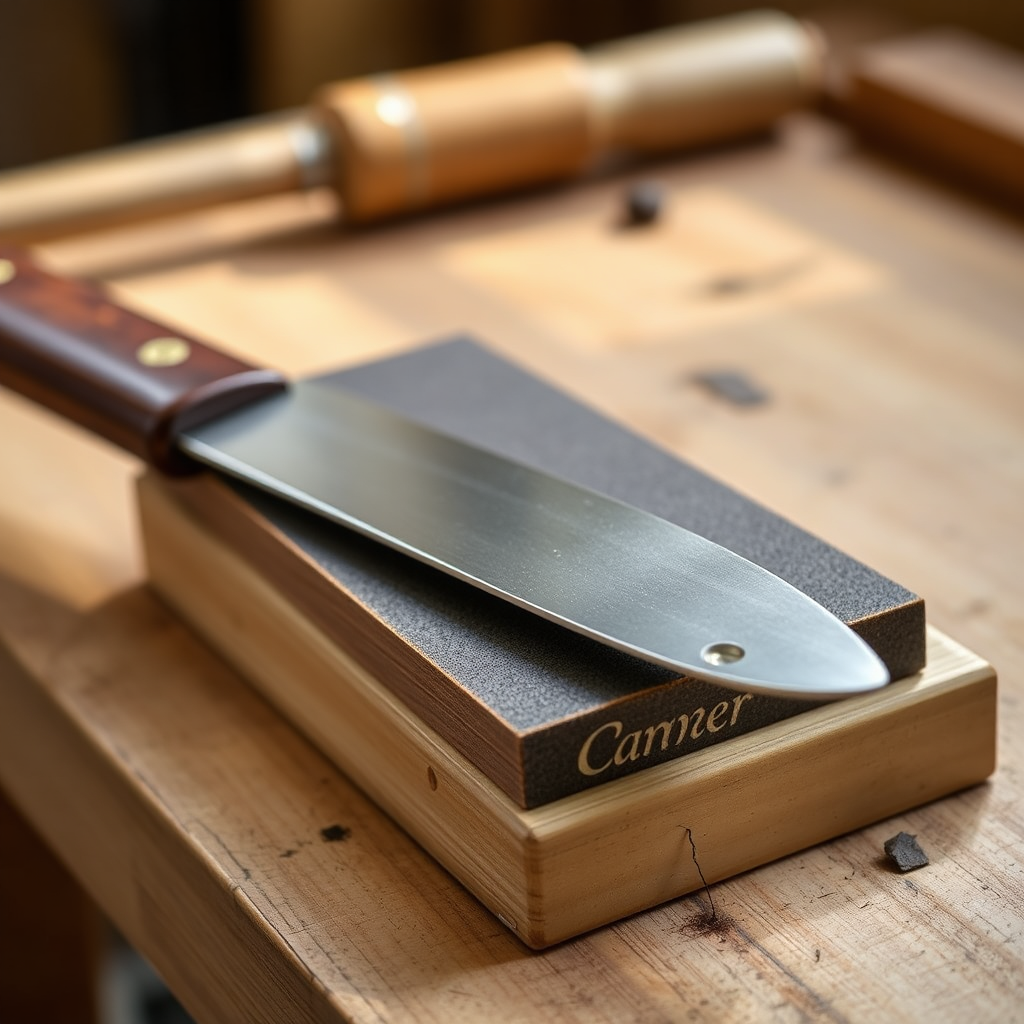
A practical guide to keep edges razor sharp, with embedded product picks to optimize your bench setup.
A sharp edge is the result of the right combination: grit progression, lubrication, and a steady hand. This section breaks down the sharpening journey for chisels, plane irons, and gouges.
Start coarse, finish fine. That's the entire progression, whether you're working a chisel, a plane iron, or a gouge.
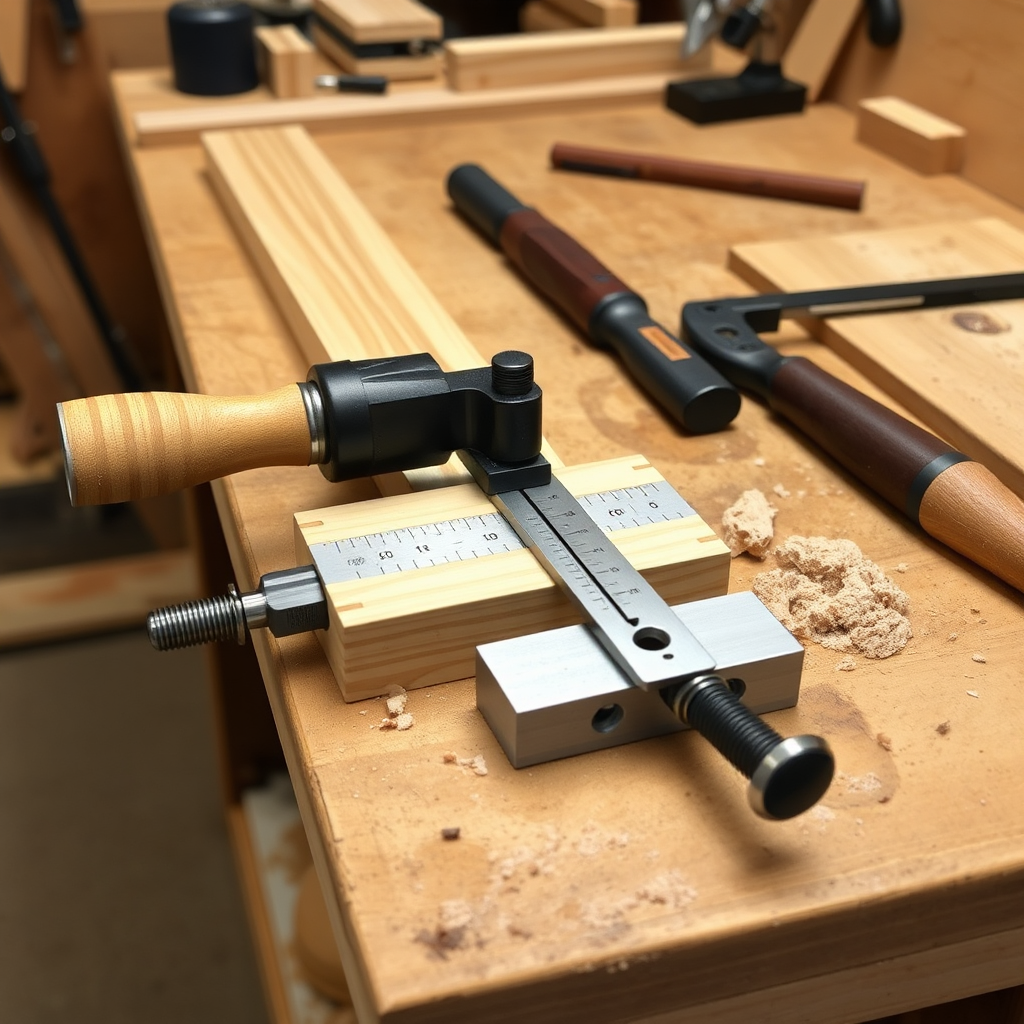
A honing guide isn't cheating. It's the difference between a consistent bevel angle every time and a slightly different angle on every pass, which is how most beginners end up with a rounded, weak edge instead of a crisp one.
Set the angle once, lock it in, and let the guide hold that angle while you focus on even pressure and a consistent stroke. Once you've built the muscle memory, you can go freehand if you want. Most people never need to.
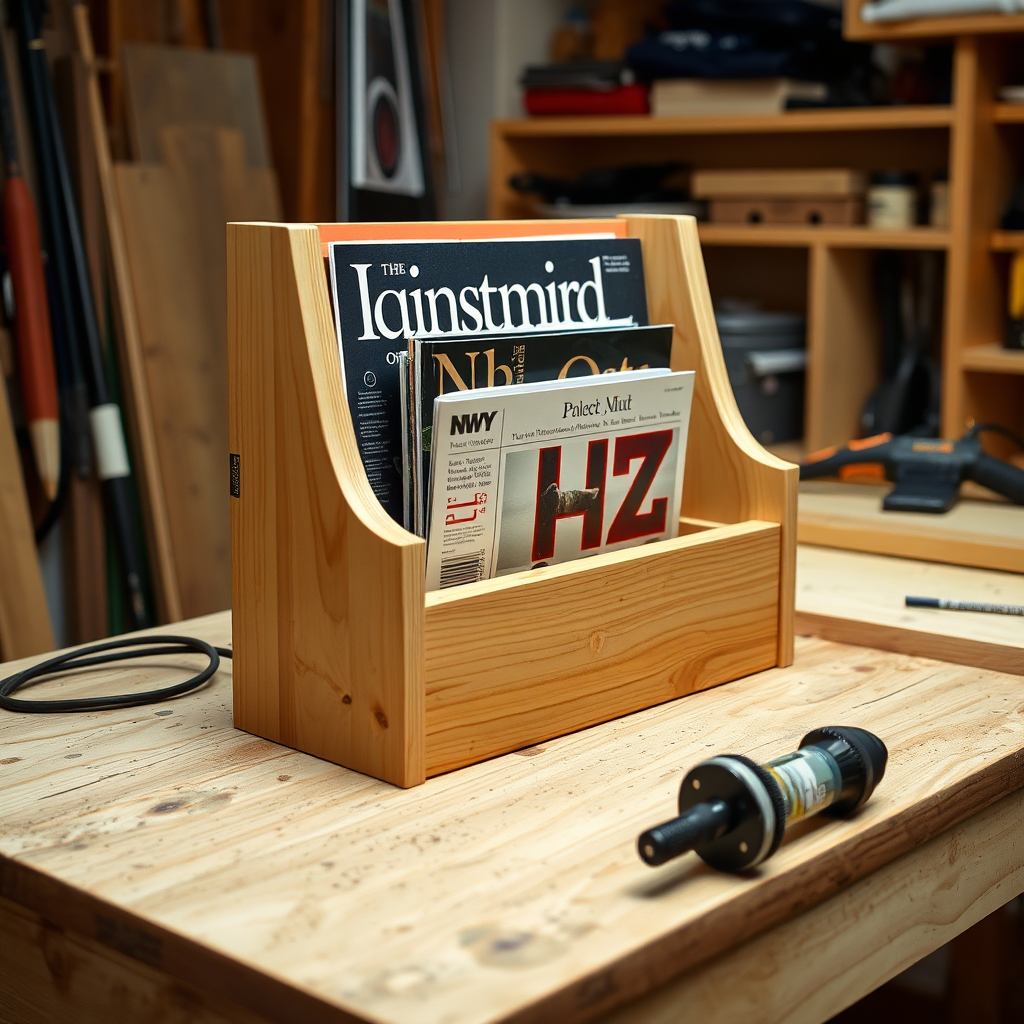
A pocket-friendly project to practice layout, joinery, and finishing. Includes a materials/tools shopping list with affiliate links to help you get started.
Plywood, glue, screws, and a simple finish. Each item includes an affiliate link to your preferred shop.
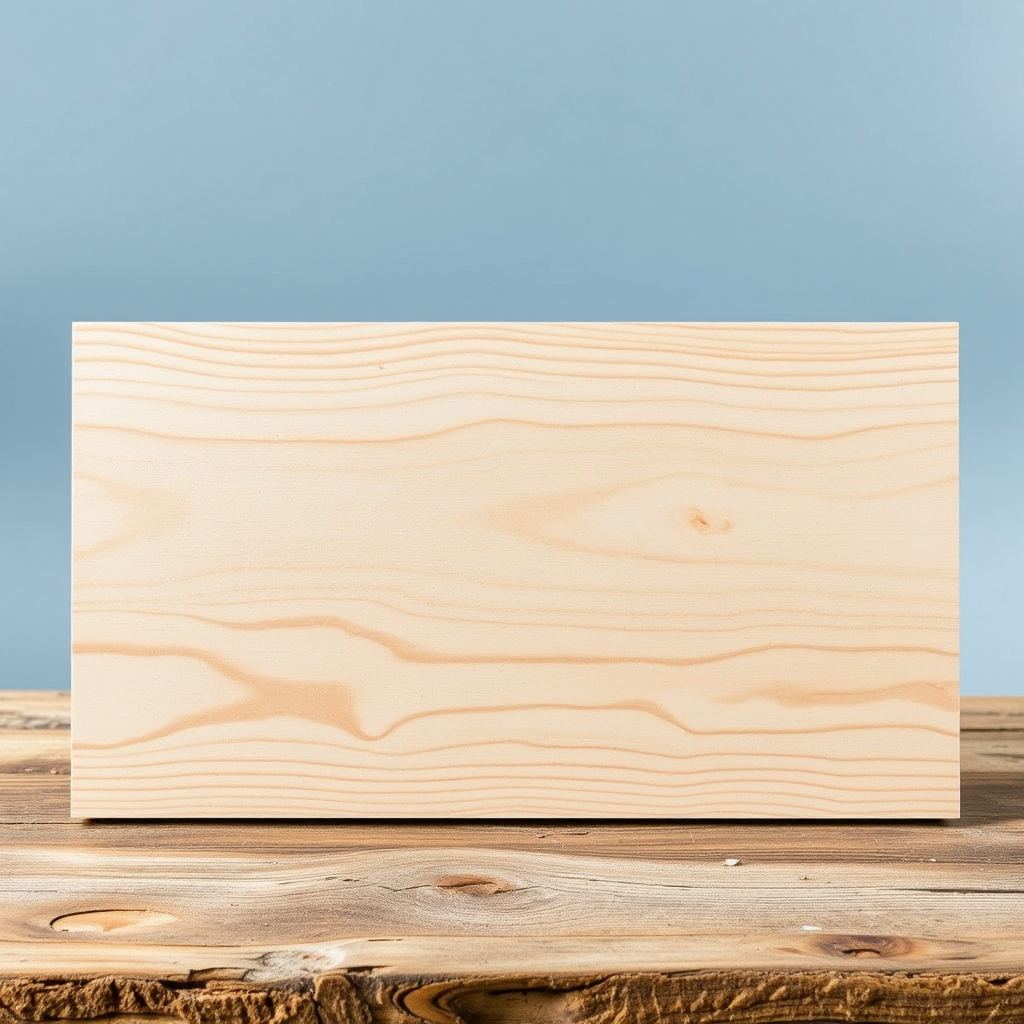
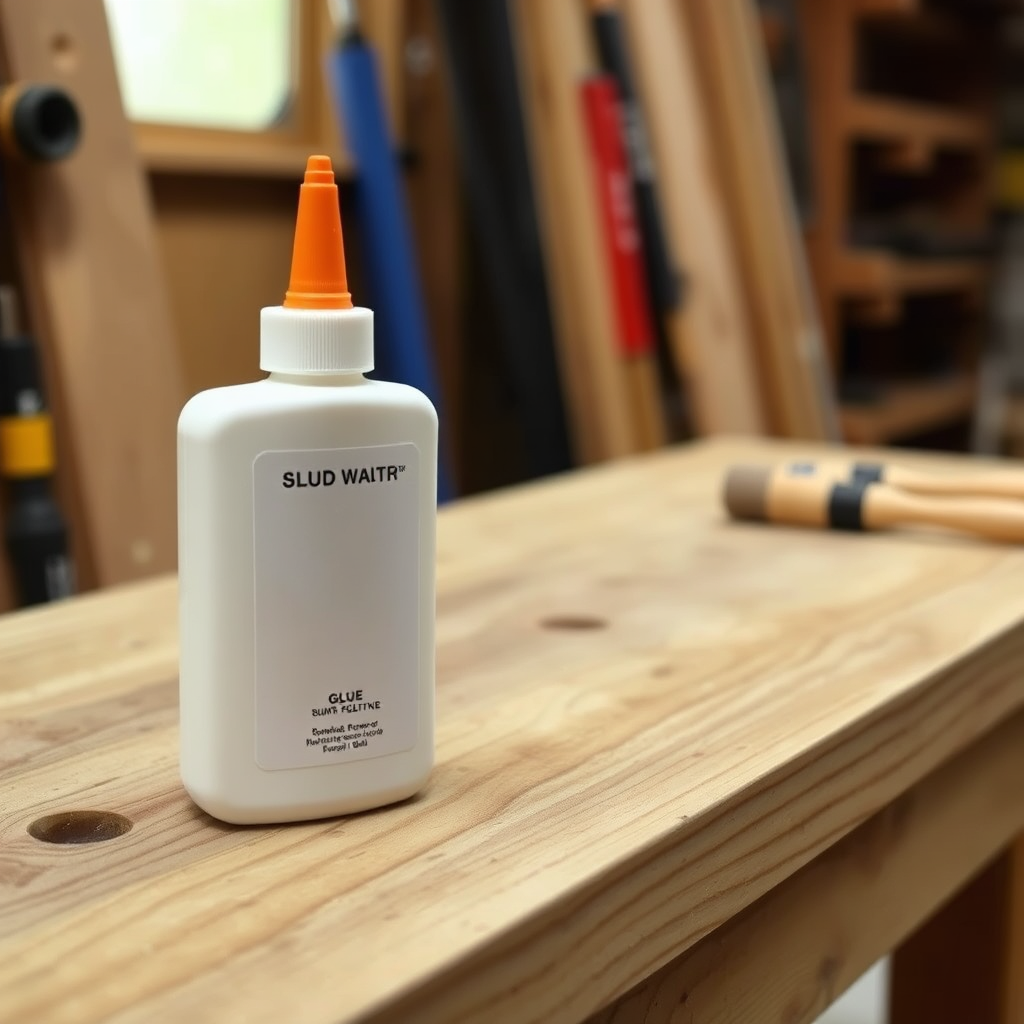
A simple starter kit to cut, join, and finish a magazine holder.
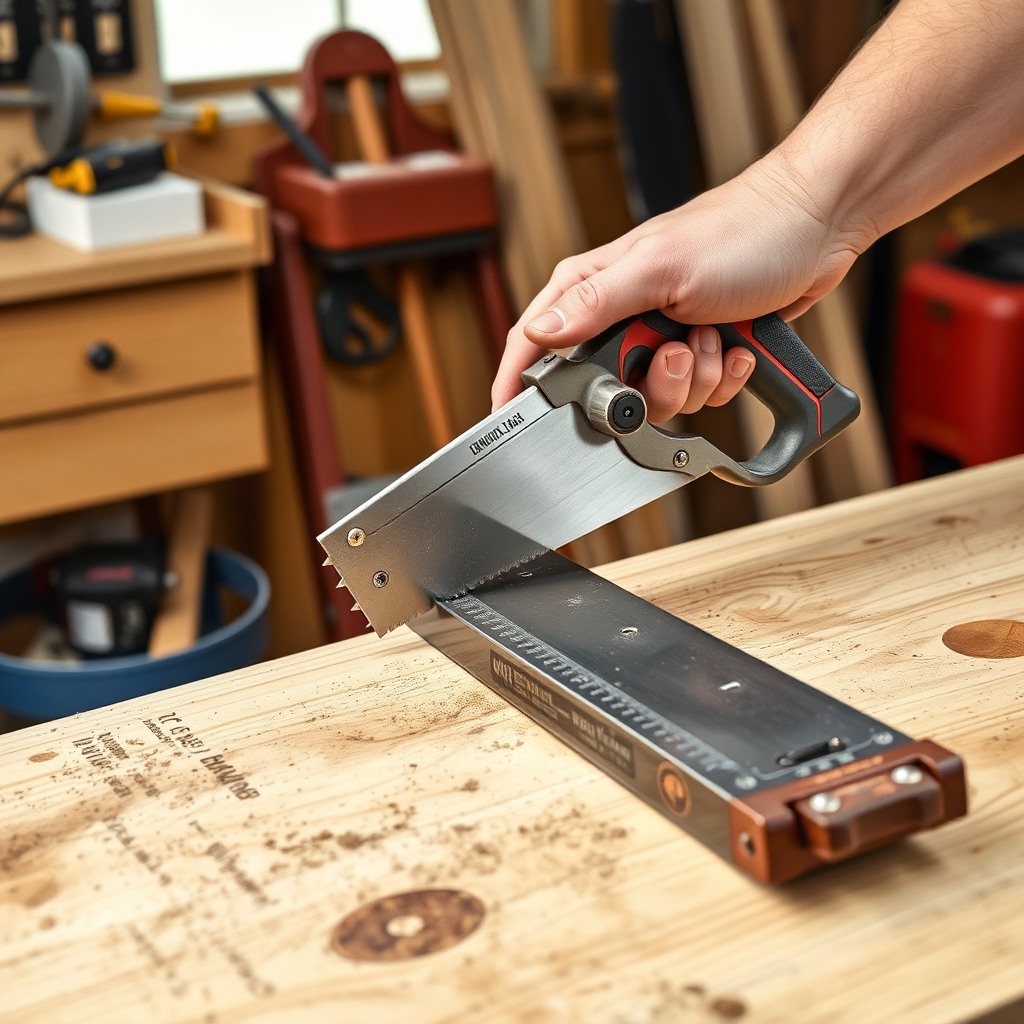
A concise list to gather essentials for projects like this magazine holder.

Affiliate disclosure: Some links above may earn us a commission. This helps us keep content free and independent.
Woodworking education that respects your time and budget. We test gear in real shops and present clear, trustworthy guidance with a transparent affiliate model.
Our editorial process emphasizes: honest testing, practical workflows, and generous white space to help you learn without cognitive overload.
Questions, collaboration, or feedback? Send us a note and we’ll respond promptly.